Ecologists at work to better understand and protect the environment
As part of the Future Circular Collider (FCC) studies, environmental specialists are making inventories of natural habitats, flora and fauna in the neighbouring areas of France and Switzerland
—
Why does CERN carry out environmental studies?
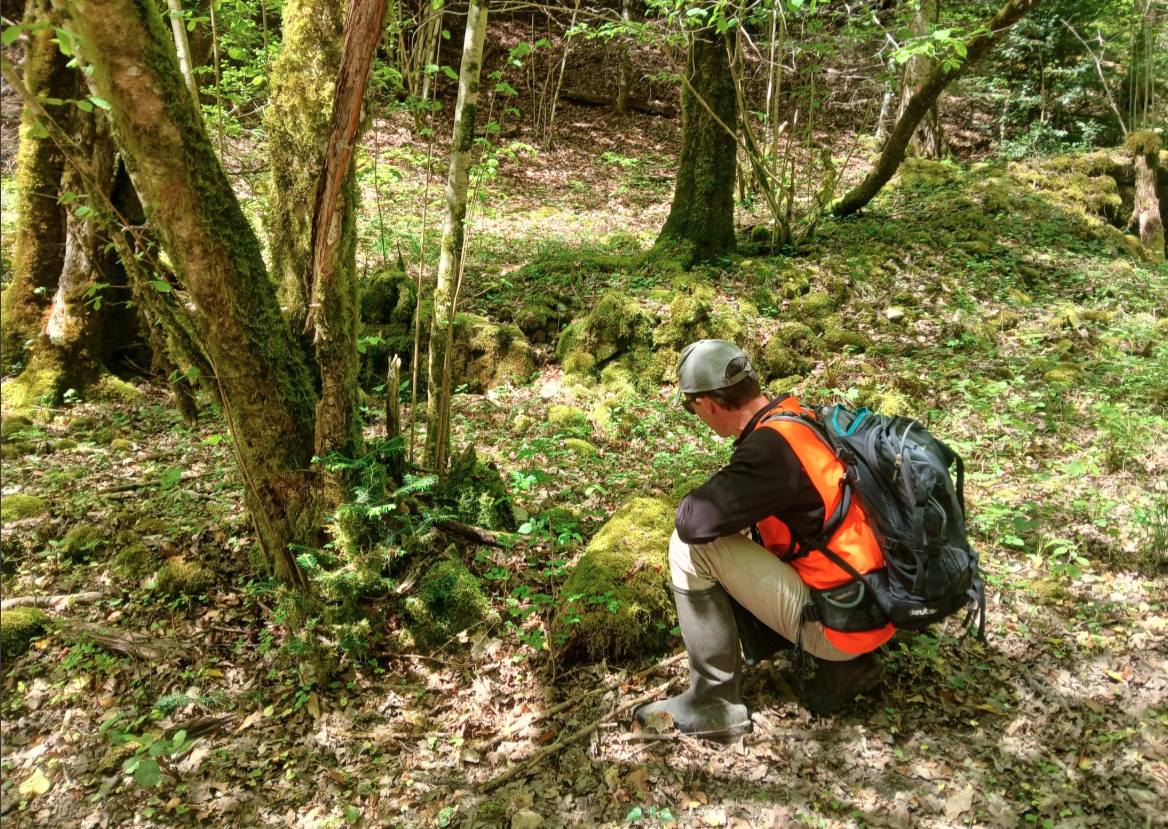
The better we understand natural habitats, the better we can protect them. As part of the Future Circular Collider (FCC) studies, ecologists are therefore carrying out field studies to obtain an overview of the natural habitats, flora and fauna in the areas concerned and to track how they evolve over time. This work reflects CERN’s commitment to environmental protection and its approach of ensuring that it has detailed knowledge of the natural environment before a decision on the project is taken.
What are the FCC environmental studies for?
Environmental studies are being carried out before any work begins in order to gain an accurate and detailed picture of the environment. The findings will help us to:
- establish a baseline of the wildlife, flora and habitats in the area and then track how they change over time
- identify areas and species of particular ecological importance
- determine which further studies, if any, are needed.
More broadly, these studies aim to build up a comprehensive understanding of the environmental issues in the areas under study before any action is taken. They form part of CERN’s “avoid–reduce–compensate” (ARC) approach, which means first looking for ways to avoid environmental impacts, then reducing those that cannot be avoided and, where necessary, compensating for any remaining impacts. Rigorous application of this approach, together with a good understanding of the environmental issues at stake, ensures that the studies required for the FCC are carried out sustainably. Although the environmental studies focus on areas that are relevant to the FCC, their findings also contribute to our understanding of the Geneva region’s environment and its evolution over time.
Why are environmental studies being carried out now?
The FCC is still under study, with a decision by the CERN Council on whether to proceed with the project expected in 2028. In the meantime, CERN is carrying out various activities to develop the project further and deepen its understanding of several of its key aspects. Some of these activities require environmental studies to be carried out.
What are ecologists doing in the field?
Ecologists are taking part in pre-planned field visits, the objectives of which are based on the species being surveyed. Their work encompasses:
- observing species and their habitats
- recording the characteristics of the natural environment
- installing sensors and other observation devices.
This work will provide the data needed to map areas of environmental importance.
Where are the ecologists working?
In order to build up as complete a picture as possible of the environment, ecologists are carrying out fieldwork in an extended perimeter around the proposed tunnel route.
How long will the studies take?
Environmental studies usually run over a long enough period to take account of the changes observed over time. Inventories usually last one year, allowing ecologists to observe how the flora and fauna evolve throughout the seasons. As some species can only be seen at certain times of the year (spring, summer, autumn or winter), several visits are needed to gain a comprehensive understanding of the habitats and species present.
What methods are used in these inventories?
Ecologists use a range of non-invasive methods designed to minimise disturbance to natural environments. These include:
Camera systems
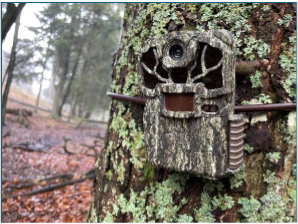
Photographs can confirm the presence of species and are of great value for ecological inventories. For wildlife surveys, cameras equipped with motion detectors can be installed in the wild or in trees.
Detectors and recording devices
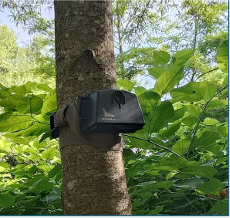
Different types of detectors can be installed in the wild or in trees. They have a range of functions: some can even detect the ultrasonic calls made by bats and give an indication of the different species present in the area.
Reptile refuges
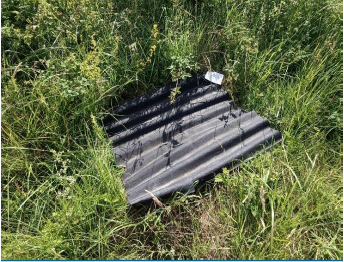
These simple shelters provide a suitable habitat for reptiles and allow ecologists to determine which reptiles are present in the area.
Direct observations in the field
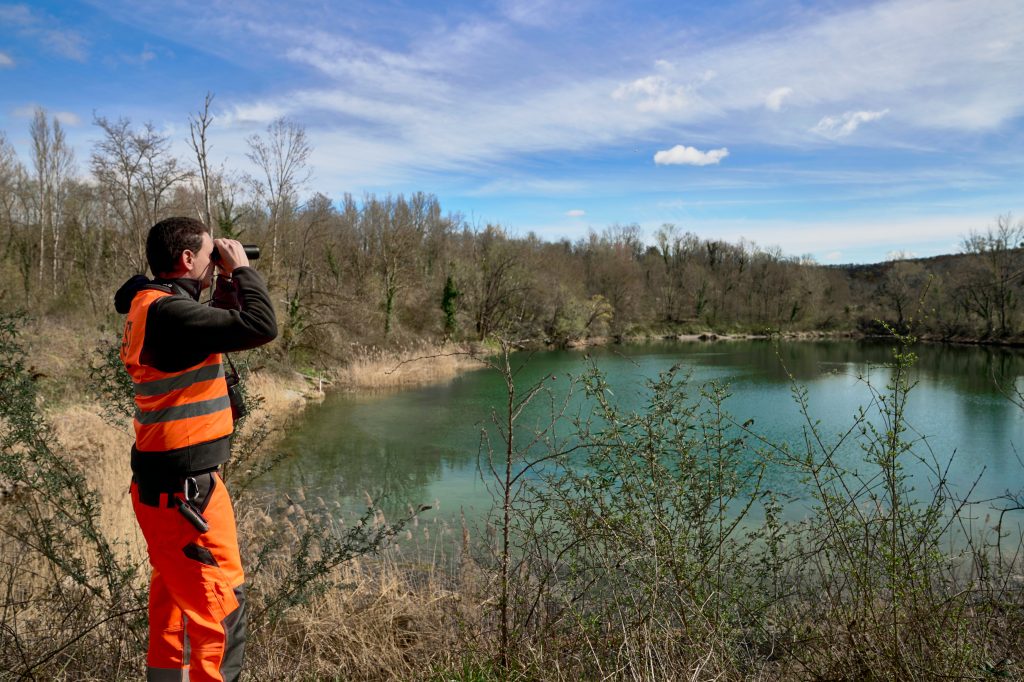
In addition to the use of monitoring equipment, ecologists may carry out direct observations in the field. All the species encountered are recorded, providing valuable data for the inventories. These observations may take place at different times of the day or night.
Do you have a question?
Send an e-mail to:
Julien LE GAL – THOMAS
Civil society dialogue coordinator
fcc-info@cern.ch